
Oxford · Rainwater into the ground
Soakaways in Oxford: testing, clearing and replacing
A soakaway is a pit of rubble or plastic crates that lets rainwater into the ground. Whether it works in Oxford depends almost entirely on what that ground is, and the city has three different answers within a mile of each other.
Gravel, clay and the water table
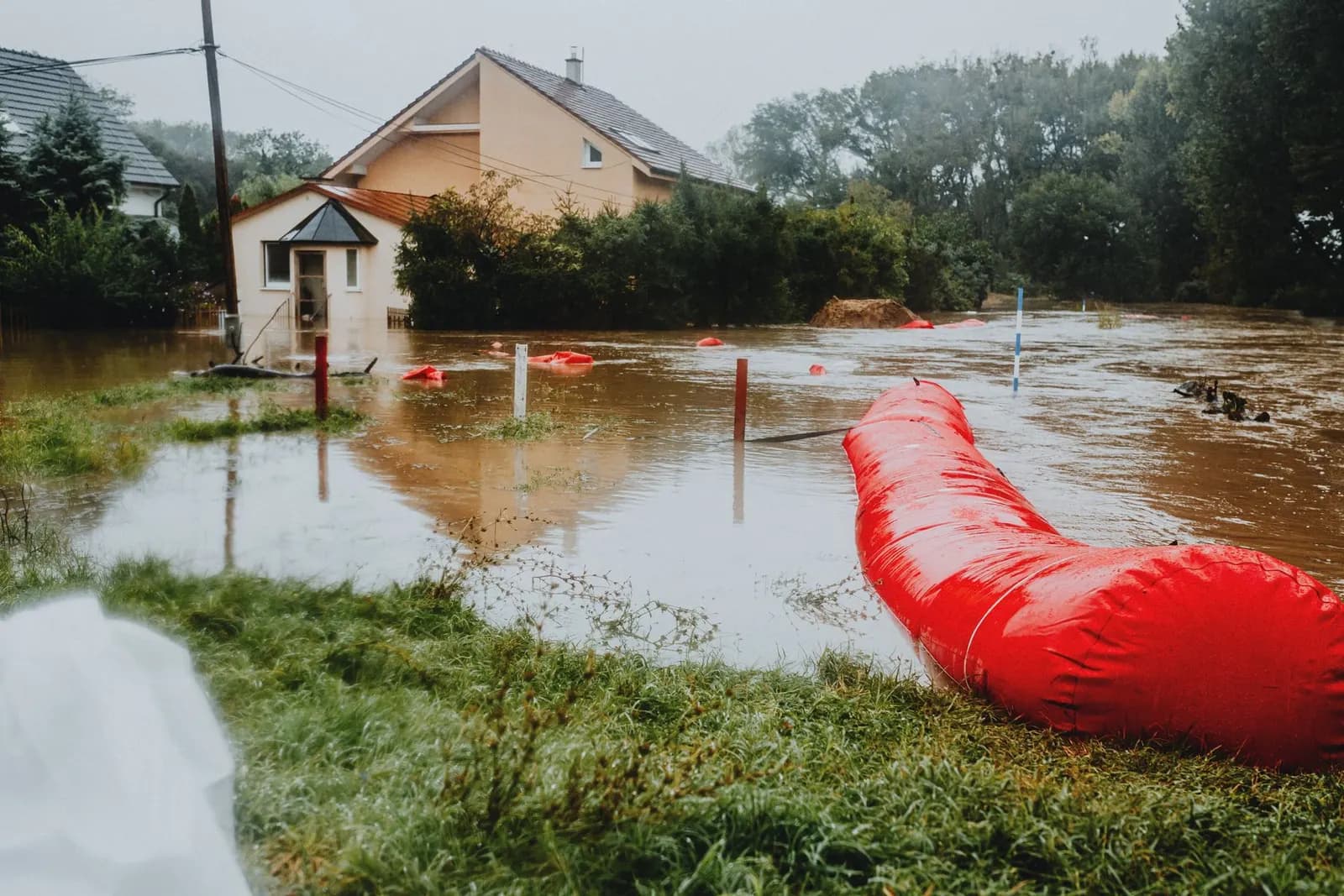
Most of Oxford sits on Thames sand and gravel over Oxford Clay. The British Geological Survey named its Summertown-Radley terrace after gravel dug in Summertown, and its Eynsham Gravel after the village west of the city. Gravel takes water freely, which is why so many older Oxford houses have a soakaway at all. The catch is that the water table in the gravel rises and falls with the river. Hydrogeologists have measured Thames water moving into the gravels at Yarnton, and in 2007 the British Geological Survey found rising groundwater flooded a significant number of properties in the city. A soakaway in Wolvercote, Summertown, Eynsham or Yarnton can drain perfectly in August and sit full from December to March.
Where the gravel thins and the clay comes up, the ground barely drains at all. Around Headington and the Lye Valley the bedrock is clay and mudstone, and the council's own drainage guidance for that catchment allows infiltration only where the measured rates permit it. A soakaway dug into clay fails on its first wet week, and a surprising number of them were dug anyway when an extension went up.
Why soakaways stop working
Even in good ground a soakaway has a life. Silt and roof grit wash in and fill the voids between the stones. Roots from a nearby tree find the moisture. A pit built too small for the roof area it serves was never going to cope with a heavy storm. And a lot of Victorian ones are simply a hole full of brick rubble with no lining, which silts solid over a century. Building control guidance keeps a new soakaway at least five metres from a building and sizes it from a percolation test, but plenty of existing ones meet neither rule.
The symptom is the same whichever it is: the garden floods, the gully fills, and damp appears at the base of the nearest wall. The cause decides the fix, which is why we test before we quote. A rebuilt pit in ground that cannot drain is money in a hole, and we have no interest in digging one.
How we test it
First we find it, which on an old property is not always obvious. A tracer down the rainwater gully follows the pipe to the pit. Then we open it or expose the top, clear the silt from the inlet, and put water in at a known rate to see how fast it goes. Where a new or rebuilt pit is being considered we run a percolation test in a trial hole, which is the method building control expects. A camera through the pipe between gully and pit shows whether it is cracked or sagging, because a collapsed feed pipe looks exactly like a failed soakaway from above.
You get the result in writing: whether the pit has silted, whether it is undersized, or whether the ground will not take water at any size. The last answer is common on the clay, and it is better to hear it before spending money on a bigger hole.
When the ground will not take the water
If the pit has silted, it is dug out and rebuilt, usually with plastic crates wrapped in a membrane, which hold far more water than rubble and are easier to clean. If it is undersized, it is enlarged or a second pit added. If the ground is clay, the honest options are to move the soakaway to better ground if the garden has any, to redirect the rainwater to a surface water sewer where one exists and Thames Water consents to the connection, or to slow the water down with an attenuation tank that releases it gradually. In a conservation area such as North Oxford or Old Headington the digging itself needs more care, and we tell you that at the quote.
Before you call
What to check before you call
These tell us whether it is the pit, the pipe to it or the ground, before we have seen it.
- 01Does the garden flood after days of steady rain, or after every shower? The first points to the water table, the second to the pit.
- 02Is the lawn above the soakaway soft or green in summer? That suggests water is reaching it and not leaving.
- 03Where does the downpipe actually go? Follow it to the gully and see whether the gully fills.
- 04Was the soakaway built with a recent extension? If so, it may be too close to the building or in clay.
- 05Are you on gravel, near the rivers, in Summertown, Eynsham or Yarnton, or on the clay edges around Headington?
What it costs
Clearing a blocked rainwater gully or the pipe feeding the soakaway is unblocking work from £79. A camera survey of that pipe is from £99. Locating and testing the pit, including a percolation test where one is needed, is quoted on the phone once we know roughly what you have, and the price is fixed before we come.
A rebuild, a new pit or a redirection to the sewer is priced in writing after the test, not before it, because until the ground has been tested nobody honestly knows what will work.
30 min
Response time, as quick as
£79
Unblock drains from
£99
CCTV survey from
20 yrs
Guarantee on repairs, up to
20% off
Senior citizens & NHS staff
24/7
Lines open every day of the year
Method
Soakaways: how the visit runs
Locate
Tracer down the rainwater gully to find where the pit is and how far the pipe runs.
Test
Inlet cleared, water in at a known rate, percolation measured in a trial hole where a new pit is in question.
Decide
Silted, undersized or wrong ground, in writing, with the options that follow from each.
Build
Rebuilt with crates, enlarged, moved or redirected, with the finished system proven under flow.
Questions
Soakaways: what people ask
Straight answers, including the ones that mean the job is not ours.
A straightforward domestic replacement normally does not, but it does have to satisfy building control, which keeps it at least five metres from a building and sizes it from a percolation test. In a conservation area the digging itself may need more care. We tell you where yours can go and why.
Related
If this is not quite it
Local areas
Do you cover my area?
These are the places our vans work from Oxford every day. If yours is not listed, ring anyway: the boundary is not a hard line, and we would rather say no on the phone than leave you guessing.
Not sure which of these you have?
Describe the symptom and you get told what it usually turns out to be, what it is likely to cost, and whether it can wait. That call is free and takes two minutes.
Or book online